Complete Guide to Electronics Recycling
Green E-Waste Disposal: A Complete Guide to Responsible Recycling
Eco-friendly e-waste disposal is a critical topic in our modern technology-dependent society. As digital gadgets reach the end of their lifespan, their inadequate management presents considerable threats to our natural surroundings and human health. Understanding the importance of responsible recycling is essential. This resource delivers concrete guidance for spotting recyclable materials and conditioning electronics for responsible discarding. However, many are unaware of the broader implications of e-waste recycling on local economies and sustainability efforts. In what ways can members of the public make a meaningful difference in tackling this critical matter?
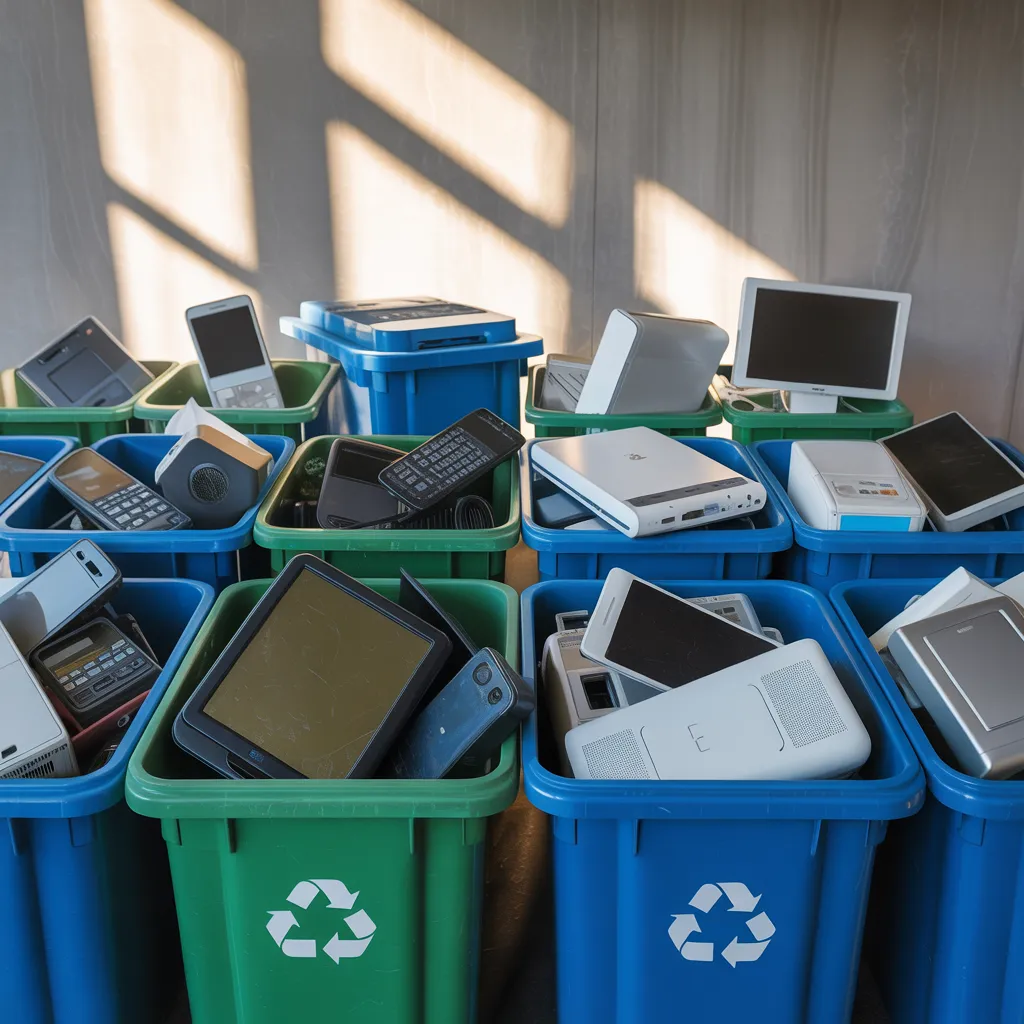
Why E-Waste Disposal Matters for the Environment
E-waste disposal is critical for environmental health, as improper handling can lead to significant ecological damage. Electronic devices often contain hazardous materials such as mercury, cadmium, and lead. When e-waste is discarded in landfills, these dangerous chemicals can infiltrate the soil and contaminate water sources, presenting serious threats to both human health and wildlife. Furthermore, the buildup of electronic waste adds to the escalating issue of pollution, placing pressure on natural resources and delicate ecosystems.
In addition, the international need for fresh electronics perpetuates the loop of e-waste generation. By ensuring sustainable disposal practices, such as recycling or refurbishing, valuable materials can be reclaimed, decreasing the demand for raw material harvesting. This not only conserves energy but also minimizes environmental degradation. At the core, responsible e-waste disposal Reach out practices are critical for safeguarding the planet and encouraging sustainable progress, underscoring the value of joint responsibility in resolving this pressing issue.
Recognizing Recyclable E-Waste
Recognizing recyclable electronic waste demands awareness of typical devices like aging computers, mobile phones, and televisions. Recognizing the hazardous materials present in these items is critical for proper recycling and safe disposal. Furthermore, complying with community recycling standards ensures that e-waste is handled in a responsible and efficient manner.
Usual Electronic Waste Items
Many different electronic devices play a role in the growing issue of e-waste, making it necessary to identify which items can be recycled. Common e-waste includes outdated tablets, smartphones, computers, and laptops, as well as ancillary devices like keyboards, mice, and printers. Older television sets, particularly those featuring cathode ray tubes, are also included in this classification. Other recyclable items are gaming consoles, digital cameras, and an assortment of compact electronics, such as headphones and chargers. Household appliances like microwaves and refrigerators may also contain recyclable components. Being aware of which electronics count as e-waste allows individuals to manage their disposal appropriately, which aids in minimizing ecological damage while fostering sustainable approaches to electronic waste management.
Hazardous Material Awareness Training
Recognizing the hazardous substances found in electronic devices is essential for proper e-waste disposal. Many common electronics harbor substances like lead, mercury, cadmium, and brominated flame retardants, which can threaten human health and the environment. For instance, lead is commonly located in circuit boards and the glass within cathode-ray tubes, while mercury may be present in fluorescent lamps and batteries. Recognizing these materials allows individuals to reach informed decisions about disposal. Familiarity with hazardous components is important not only for personal safety but also for reducing environmental impact. Proper identification guarantees that e-waste is sent to specialized recycling facilities capable of managing these materials, thereby promoting safer disposal practices and protecting natural resources.
Regional Recycling Standards
While managing local recycling guidelines, individuals can better understand which electronic devices are classified as recyclable. Generally, items such as outdated computers, TV sets, and mobile phones fall under this designation. Local guidelines often stipulate that devices containing dangerous components, like lead or mercury, must be disposed of responsibly. It is critical to refer to local waste management resources or community publications for dedicated recycling initiatives, as these policies can differ significantly by locality. Many municipalities offer specific collection points or planned pickup events to enable proper e-waste handling. Moreover, manufacturers may provide take-back initiatives, encouraging consumers to hand in old electronics. By following these local policies, individuals contribute to environmental protection and the safe processing of electronic waste.
Finding Local E-Waste Recycling Centers
How might someone successfully identify local e-waste recycling centers? One practical strategy is to leverage online resources. Online platforms like Earth911 and the Electronics TakeBack Coalition offer searchable directory tools, permitting people to search by zip code and locate convenient recycling solutions. Additionally, local government websites often have dedicated sections for waste disposal, including e-waste recycling programs.
Neighborhood initiatives, such as e-waste recycling drives, are an additional option to consider. Regional eco-friendly groups often coordinate these occasions, offering residents a convenient way to recycle their electronics responsibly.
Social media platforms can additionally act as beneficial instruments. Community groups could offer insights into local recycling programs.
Ultimately , consumers can consult with local electronic shops , as most have recycling programs for outdated electronics . By taking advantage of these options , individuals can be confident their unwanted electronics are processed in an sustainable fashion .
How to Get Your Electronics Ready for Recycling
Prior to submitting electronics for disposal, securing personal data is of utmost importance. Device owners should first back up important information before proceeding to remove any personal data from the device. This guarantees that confidential information is not compromised during the disposal process.
Securely Back Up Your Data
When preparing to recycle electronics, users should ensure their data has been securely backed up. This involves locating important files, documents, and media that are stored on devices. Using reliable cloud storage services or external hard drives, users can transfer important information to safeguard it against loss. It is essential to organize files beforehand to streamline the backup process. Performing backups consistently can ensure that important data is not missed. Additionally, users should verify the integrity of the backed-up data to confirm successful transfer. Following these measures allows individuals to reduce the chances of losing critical information when getting their electronics ready for recycling. This preventative strategy not only secures personal data but also supports environmentally responsible e-waste disposal habits.
Eliminate Personal Details
Making sure private data is erased from electronics is a critical step in preparing devices for recycling. Users should first conduct a factory reset on smartphones, tablets, and computers, which restores devices to their original settings and erases stored data. For enhanced security, it is wise to employ data-wiping programs that adhere to industry benchmarks, making sure that all files are permanently unrecoverable. Furthermore, taking out SIM cards and memory cards is essential, as these components often contain sensitive information. After wiping the data, physical destruction of hard drives should be considered for individuals who value the highest level of security. By adhering to these guidelines, individuals can safely recycle their devices without fear of compromising personal information, contributing to a more secure and eco-friendly recycling process.
Understanding the Impact of E-Waste Recycling
E-waste recycling serves a critical function in mitigating the environmental impact of discarded electronic devices. As global consumption of electronics rises, so too does the amount of electronic waste, which can harbor dangerous substances such as lead, mercury, and cadmium. Effective recycling procedures ensure that these materials are carefully removed and handled, preventing soil and water contamination.
Moreover, electronic waste recycling preserves precious resources by recovering precious metals and components, decreasing the demand for extracting and producing new materials. This not only reduces greenhouse gas emissions tied to production but also minimizes the energy demands tied to the extraction of resources.
Furthermore, effective recycling programs can invigorate community economies by fostering employment opportunities in processing, collection, and sorting operations. By acknowledging the considerable merits of recycling electronic waste, communities and individuals can advance a sustainably focused future, nurturing a regenerative economic framework that emphasizes resource efficiency and environmental protection.
Strategies for Cutting Down E-Waste in Your Daily Routine
As concern about the environmental consequences of electronic waste increases, individuals are increasingly seeking ways to minimize their contribution to this global issue. A practical approach is to prolong the life of gadgets by choosing repairs over replacements. Consistent care, such as performing software updates and thorough cleaning, can additionally enhance the durability of electronics.
Another approach involves making thoughtful consumer decisions. Consumers are encouraged to opt for superior products valued for their durability and energy efficiency. Furthermore, selecting items with limited packaging can substantially cut down on waste.
Digital cleanup can also play a role in minimizing e-waste. By consistently eliminating unnecessary applications and data, individuals can help streamline their devices and prolong their relevance. Moreover, fostering a habit of sharing or borrowing electronics rather than buying new products builds a more eco-conscious community. Together, these approaches can significantly reduce the escalating electronic waste issue and support mindful usage practices.
Frequently Asked Questions
What Types of Electronics Are Considered E-Waste?
Electronic waste comprises discarded electronic equipment such as tablets, smartphones, computers, televisions, batteries, and printers. Electronics that are obsolete, broken, or no longer useful fall under this classification, presenting environmental dangers if not properly disposed of.
Are E-Waste Recycling Services Subject to Fees?
Several e-waste recycling services charge a fee, notably for oversized items or certain materials. However, certain local programs could offer complimentary disposal, encouraging responsible recycling while guaranteeing safe handling of discarded electronics.
Is It Possible to Donate Used Electronics Rather Than Recycling Them?
Certainly, contributing old devices is commonly a suitable option to standard recycling. Many charities welcome working devices, giving them a new purpose while supporting communities. That said, making sure the items satisfy donation requirements is crucial for effectiveness.
How Can E-Waste Be Recycled Into New Products?
E-waste is recycled into new products through processes that involve material shredding, separation, and metal refining. Precious materials such as gold, copper, and plastic are extracted, allowing for their reuse in production while minimizing environmental harm.
What Occurs With E-Waste That Fails to Get Recycled Correctly?
E-waste that is not recycled properly frequently finds its way into landfills, releasing toxic substances into the environment. This contamination poses health risks to humans and wildlife, while valuable materials are lost, leading to the depletion of finite resources.